
In stereolithography (or “stereolithography apparatus,” commonly known as “SLA,” or “SL”), a 3D CAD file is turned into a solid object through the repeated solidification of liquid resin by a UV laser. Among the most common additive manufacturing techniques, SLA can produce cosmetically superior parts in as little as 1-2 days. At ProtoCAM, we provide both Stereolithography prototyping and SLA production services.
The ProtoCAM Distinction
Here at ProtoCAM, we do stereolithography differently. Our experienced engineers work with our customers on their unique SLA projects to understand exactly what their goals are and what they would like their end product to be. The ProtoCAM Distinction means that we’re available throughout the entire SLA additive manufacturing process, from initial idea to end product, and we have the capabilities and know-how to guide any project–from prototype to production–to completion.
Your personal project engineer is regularly available to assist you in choosing a material, technology, process, post-processing method, and more, and our friendly customer service representatives can update you on your project timeline, cost, and delivery requirements. Because we’re ISO 9001:2015 certified, you can be assured that your SLA prototypes and parts will be completed according to our high quality standards and produced and delivered to you as quickly as possible, with continuous improvement being a central goal to our facility’s procedures in order to meet our customers’ ever-evolving requirements. Our instant quoting platform means you can order your parts immediately, while our engineer-assisted quoting form allows you to connect further with our engineers on your more in-depth project, and with each order placed, you can be assured that we’re always working towards more sustainable and environmentally-friendly standards of material disposal and recycling, packaging methods, and more.
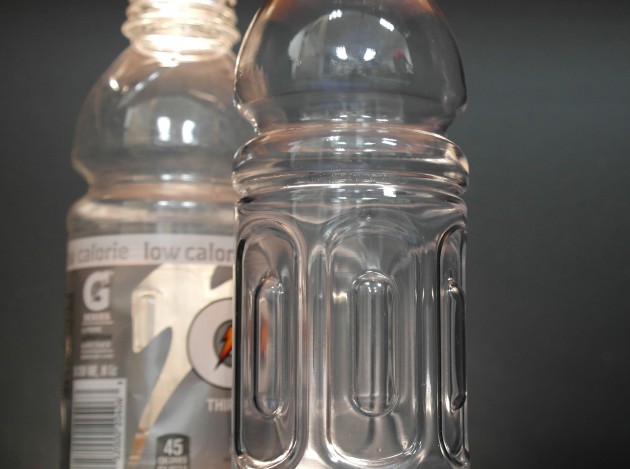
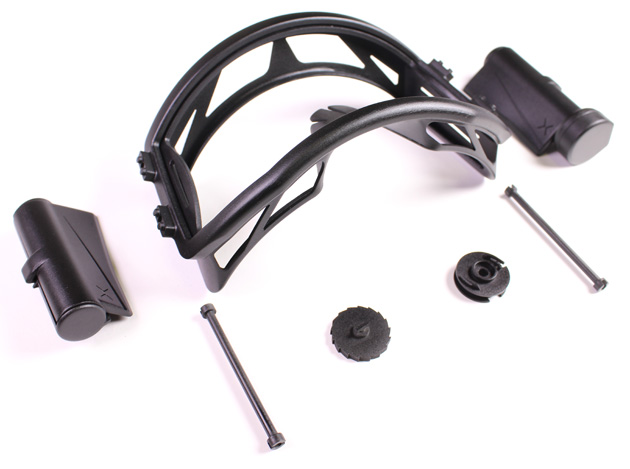
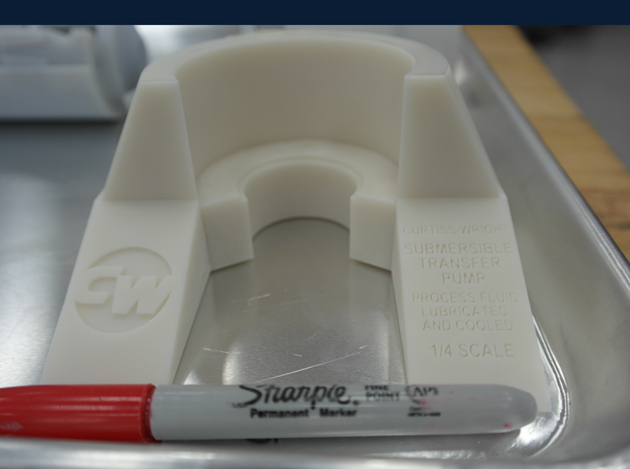
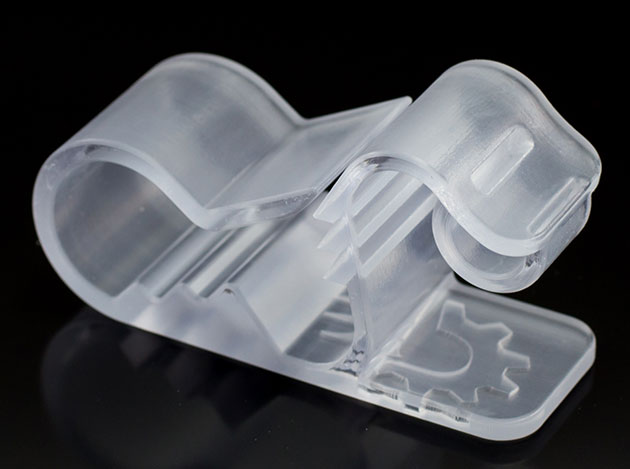
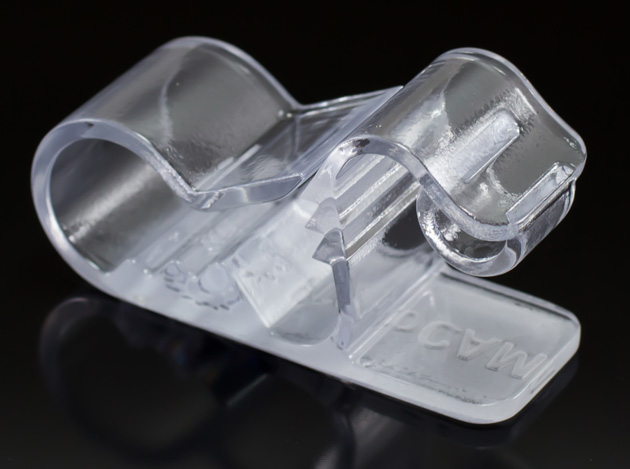
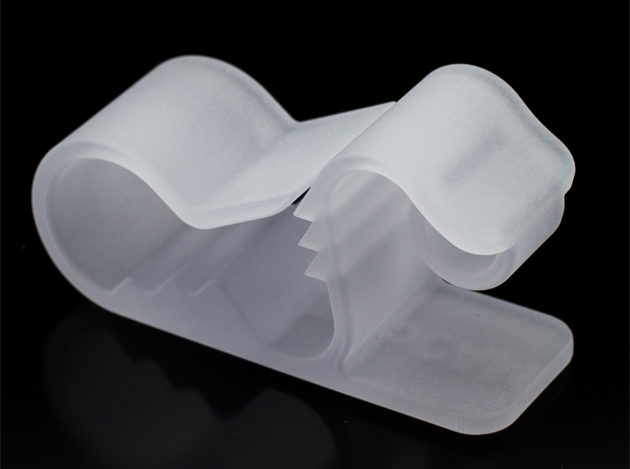
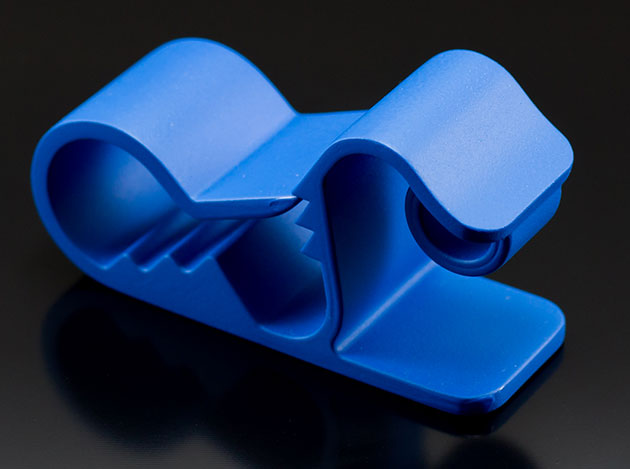
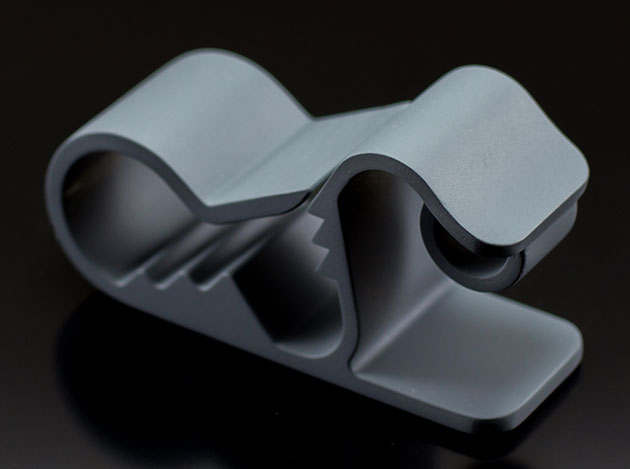
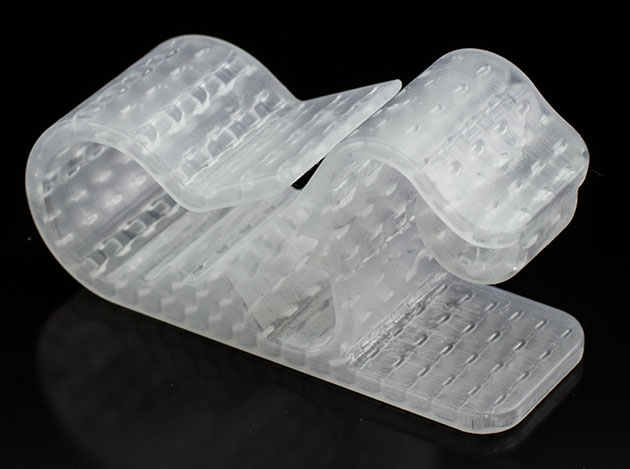
In offering our stereolithography services, we utilize several large-frame systems produced by 3D Systems, which have a build envelope of 25.5” x 29.5” x 21.5″. Our printers can be used to create both clear and matte parts with dimensional accuracy, a smooth surface finish, and the ability to utilize multiple post-processing techniques, including sanding, dying, painting, electroplating, machining, and more. We also offer a variety of materials including medical grade USP Class VI certified materials and high-heat materials; see our Stereolithography Material Data list below for more details on all the materials we have available.
Read on to learn all ProtoCAM’s unique stereolithography services, or request a quote now to start experiencing the ProtoCAM Distinction for yourself.
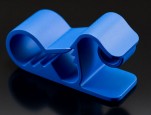
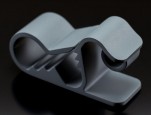
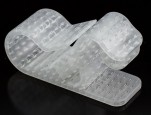
What is Stereolithography
SLA technology is one of the more versatile additive manufacturing technologies and goes by many names including Stereolithography apparatus, SLA rapid prototyping, SLA additive manufacturing, optical fabrication, photo-solidification, solid-free-form fabrication, or solid imaging.
No matter the terminology, the process involves turning a three-dimensional Computer Aided Design (CAD) drawing into a solid object through the rapid, repeated solidification of liquid resin.
To create an SLA prototype or part, a 3D CAD file is digitally “sliced” into horizontal cross-sections between 0.002″ and 0.005″ thick. These “slices” are entered into one of ProtoCAM’s advanced Stereolithography 3D printing machines where an ultraviolet laser traces the first layer of the part on a metal plate submerged just below the surface of a vat of photosensitive (light-reacting) polymer. Wherever the laser touches the liquid, it solidifies. Once the layer is traced, the plate sinks the thickness of a layer below the level of the liquid. The next layer is then built upon the previous layer. In this manner, the entire part is built from the bottom up.
Stereolithography Tolerances
The technology has a general tolerance of +/- 0.005″ for 1st inch plus +/- 0.002″ for each add inch.
Need to compare technology tolerances? Click here to view our tolerance comparison chart.
Stereolithography in Action
SLA Case Studies & Blogs
As we produce such a wide variety of products and projects for many different markets and industries using our Stereolithography technology, we like to showcase all the unique ways SLA can be utilized to create end products and SLA prototypes. Check out some of the below case studies to experience the multi-faceted capabilities inherent with choosing SLA from ProtoCAM!
AM for Production: From Prototype to Finished Part with DGH’s Scanmate Flex
Testing Materials with 3D-Printed Catapults
Recreating & Reinventing Artwork With 3D Printing
Medical Innovations Made Possible with 3D Printing
Utilizing 3D Printing for Education
SLA QuickCast
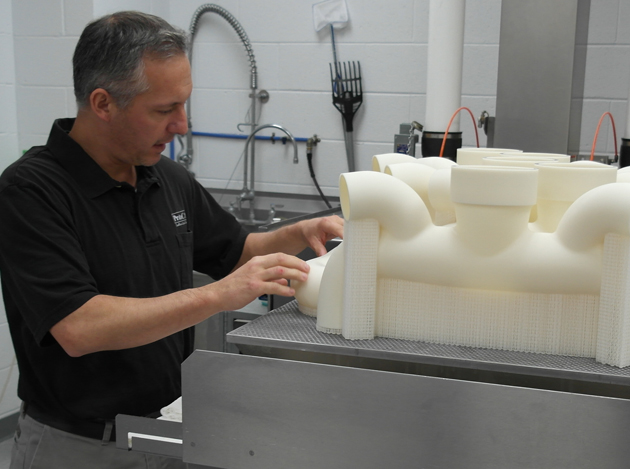
At ProtoCAM, we utilize our SLA technology to create QuickCast® (a registered trademark of 3D Systems) patterns, an addition to our Stereolithography services. QuickCast is a 3D printing method for the tool-less production of casting patterns for the investment casting and lost wax foundry industries. The QuickCast buildstyle can also be used to create large, lightweight parts and prototypes. Learn more on our SLA QuickCast page.
SLA vs. SLS
SLA is often compared and contrasted with selective laser sintering (SLS). There are several key differences between the parts ProtoCAM creates whil utilizing these two additive manufacturing techniques. These include:
Turn-around time
SLA parts can be completed in as little as one to two days, with larger projects taking fewer than five.
Tight tolerances
SLA parts can achieve tolerances +/- 0.005″ (0.127mm) for the initial inch, plus an additional 0.002″ for each additional inch.
Surface finish
SLA parts typically have a cosmetically superior finish, unlike SLS prototypes, which are typically powdery and granular.
Small-batch
SLA is well suited for small-batch or small-lot manufacturing of prototype or end-use parts.
Typical Stereolithography Use Cases
| Aesthetic models | Form/fit models | Presentation models |
| Clear models | Casting molds | Click here to see available finishes |


